

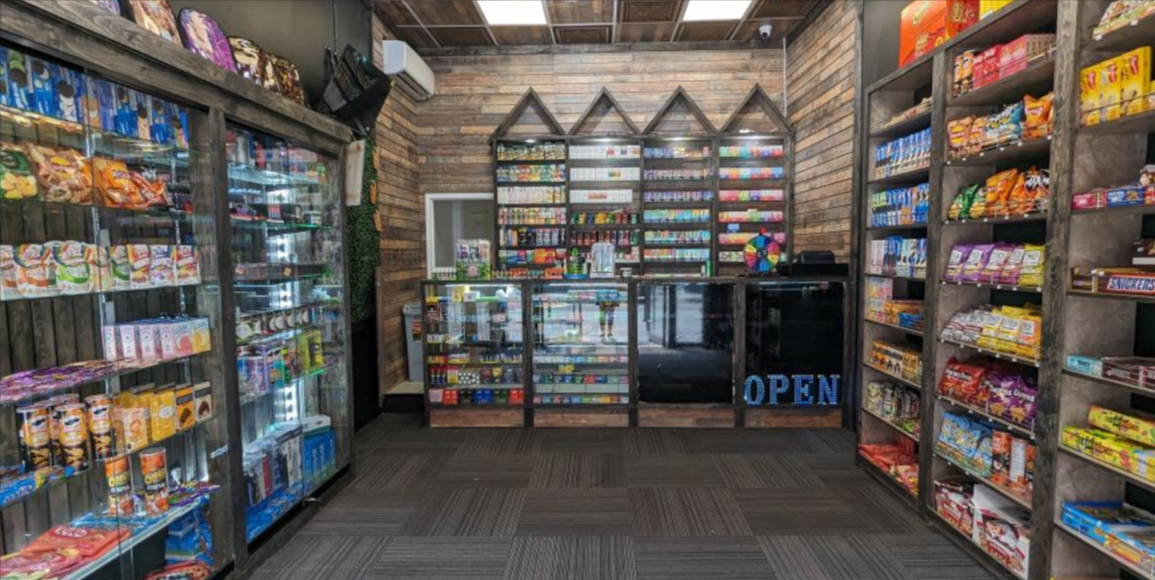
Retail businesses that operate locally don’t just sell products. They also help the locals manage everyday routines. Even as online buying grows, promoting local shops maintains a connection between communities and residents.
Local stores can provide familiar places to repair household items. Their shelves might stock products, like Pop N Smoke Cigarettes. But this is based on the stores’ customers’ needs and license. What’s more important is for a retail business to serve its customers responsibly.
Daily Needs, Close to Home
Stores that operate locally are not just more helpful for households without easy access to cars. They are also helpful to people with disabilities. By meeting frequent and small needs, a local retailer makes daily life easier.
A store that prioritizes its customers’ needs may adjust its range to seasonal demands. Clear prices and reasonable opening hours can help to build trust with time. Such practices are as crucial as having a variety of products.
Local Work and Practical Knowledge
An independent retailer may not just create job opportunities in bookkeeping. It may also helpful opportunities in customer service and stock management. These responsibilities can help employees develop problem-solving and communication skills. When a store hires locals or does business with nearby suppliers, spending will circulate in that area.
Moreover, everyday conversations give store owners the knowledge they require about the neighbourhood. They might not just learn which goods are hard to find. They might notice changing routines, too. This knowledge helps businesses in decision-making. But it doesn’t replace professional guidance.
Everyday Connections and Community Support
Local stores may become familiar meeting points without hosting a formal event. A brief conversation at a counter may help the local feel recognized. Not to mention, it can establish trust between staff and clients. These may not solve all social problems. But they may make the area feel welcoming.
A retailer can support nearby community drives or markets through modest sponsorship. A retailer’s ability to help solely depends on its finances and size. Therefore, support shouldn’t be dependable or assumed. Practical and open partnerships may connect the needs of locals without resources at hand.
Adapting to Modern Expectations
Large chains and online buying offer a wide range of opportunities. So, a local retailer needs practical ways of staying relevant. Some retailers provide updates about the available stock. But others focus on carefully chosen products and personal service. The right approach doesn’t just depend on the cost of change. It also depends on the store’s resources and customers’ needs.
In addition, retailers face increasing expenses and changing shopping habits. Clear communication regarding prices may improve everyday operations. Customers may not just contribute by choosing local options. they may also contribute by sharing honest reviews when they fit their:
- Budget
- Needs
The bottom line is that local retailers remain part of communities. This is because they connect daily needs with economic activities and relationships. Their contribution goes beyond offering products. When retail stores act responsibly, they help the communities remain welcoming and connected.